Building an emergency fund is one of the most important steps toward financial stability. Yet, millions of people delay it because they think they don’t earn enough or it’s “too late” to start.
The truth?
You can build an emergency fund from scratch, even with a low income — if you follow the right strategy.
This guide breaks it down step by step, in a simple and realistic way.
✅ What Is an Emergency Fund?
An emergency fund is money set aside to cover unexpected expenses, such as:
Medical bills Car repairs Job loss Home emergencies
It prevents you from relying on credit cards, loans, or debt when life surprises you.
💰 How Much Should You Save?
Most financial experts recommend saving:
3 to 6 months of essential expenses
But if you’re starting from zero, don’t let that number scare you.
👉 Your first goal should be $1,000.
That alone can handle most real-life emergencies.
🪜 Step-by-Step: How to Build an Emergency Fund From Zero
1️⃣ Start Small (Even $5 Counts)
The biggest mistake is waiting for the “perfect moment.”
Start with:
$5 $10 $25 per week
Consistency matters more than the amount.
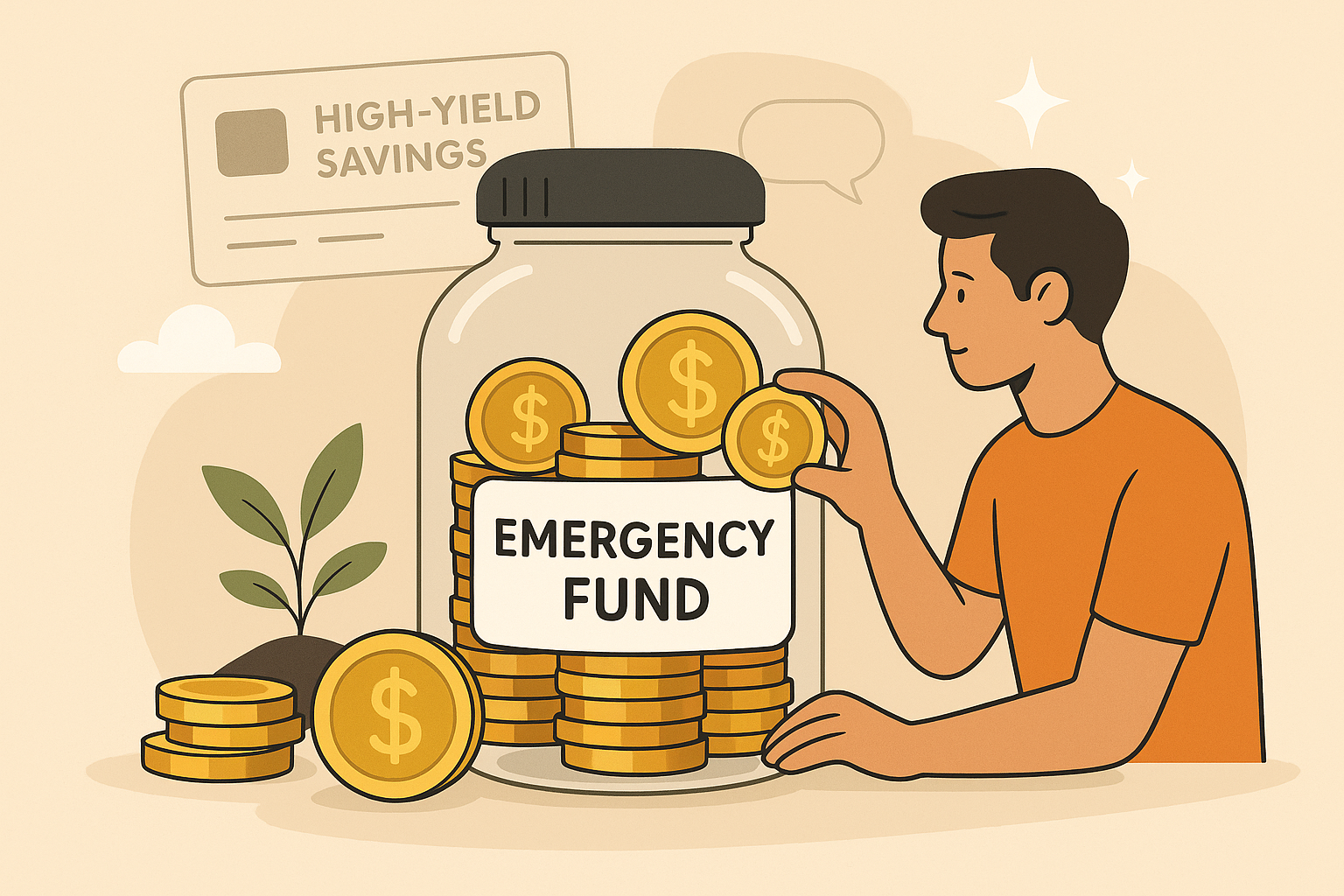
2️⃣ Open a High-Yield Savings Account
Your emergency fund should be:
Safe Liquid (easy to access) Separate from spending money
Look for a high-yield savings account so your money earns interest while sitting there.
3️⃣ Automate Your Savings
Automation removes discipline from the equation.
Set up:
Weekly or bi-weekly automatic transfers Even small amounts
You won’t miss money you never see.
4️⃣ Cut One Expense (Just One)
You don’t need extreme budgeting.
Examples:
Cancel one unused subscription Cook at home 1–2 extra days per week Downgrade a plan temporarily
Redirect that money straight to your emergency fund.
5️⃣ Use Extra Money Wisely
Whenever you receive:
Tax refunds Bonuses Side income Cash gifts
Put at least part of it into your emergency fund.
This accelerates growth without pain.
🚨 When Should You Use Your Emergency Fund?
Use it ONLY for real emergencies:
✔ Medical expenses
✔ Job loss
✔ Essential repairs
❌ Vacations
❌ Shopping
❌ Lifestyle upgrades
Once used, make rebuilding it your priority.
📈 Where to Keep Your Emergency Fund
Best options:
High-yield savings accounts Money market accounts
Avoid:
Stocks Crypto Long-term investments
Emergency money is about security, not high returns.
🧠 Final Thoughts
An emergency fund isn’t about being rich — it’s about peace of mind.
Even a small fund:
Reduces stress Prevents debt Gives you financial confidence
Start today.
Your future self will thank you.
About The Author