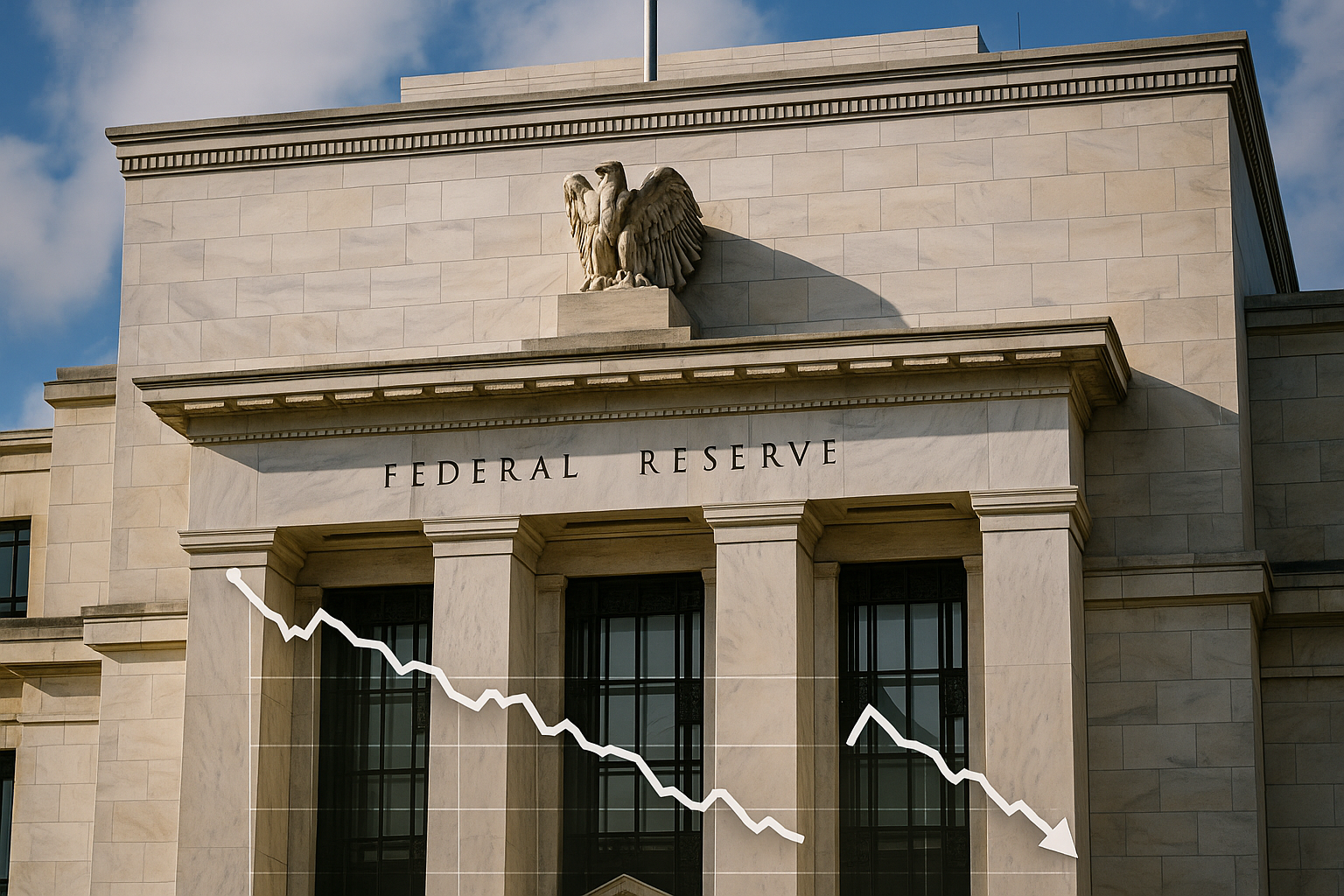
The Federal Reserve is often mentioned in the news, but few people truly understand how powerful it is. In reality, the Fed influences almost every aspect of the U.S. economy, from credit cards and mortgages to jobs, inflation, and investments.
In 2026, the Fed’s decisions matter more than ever.
What Is the Federal Reserve?
The Federal Reserve (also known as the Fed) is the central bank of the United States.
Its main responsibilities are:
Controlling inflation Maintaining employment stability Protecting the financial system Managing interest rates
Unlike politicians, the Fed operates independently to make long-term economic decisions.
Interest Rates: The Fed’s Most Powerful Tool
When the Fed changes interest rates, the effects ripple across the entire economy.
Lower rates encourage borrowing and spending Higher rates slow inflation and reduce excess demand
This single decision impacts:
Credit cards Mortgages Auto loans Business financing Investment markets
Even small changes can shift trillions of dollars.
How the Fed Influences Inflation
Inflation is closely tied to how much money flows through the economy.
High rates reduce spending Lower rates increase liquidity
By adjusting rates, the Fed controls how fast money moves, directly influencing prices of goods, housing, and services.
The Fed and the Job Market
Fed policy also affects employment:
Businesses borrow more when rates are low Expansion leads to job creation High rates can slow hiring
This is why the Fed carefully balances inflation control with employment growth.
Impact on Financial Markets
Markets react instantly to Fed decisions:
Stocks often rise when rates fall Bonds move inversely to rates Crypto and risk assets benefit from easier money
Investors closely watch every Fed statement and press conference.
How the Fed Affects Everyday Americans
Even if you never invest, the Fed still impacts you:
Monthly loan payments Rent and home prices Savings account yields Retirement portfolios
In short, Fed policy shapes your financial reality more than most laws passed in Congress.
Final Thoughts
The Federal Reserve doesn’t just guide the economy — it controls the speed and direction of money itself. Understanding how the Fed operates gives consumers and investors a major advantage in navigating the U.S. financial system.
In 2026, paying attention to the Fed isn’t optional — it’s essential.
About The Author