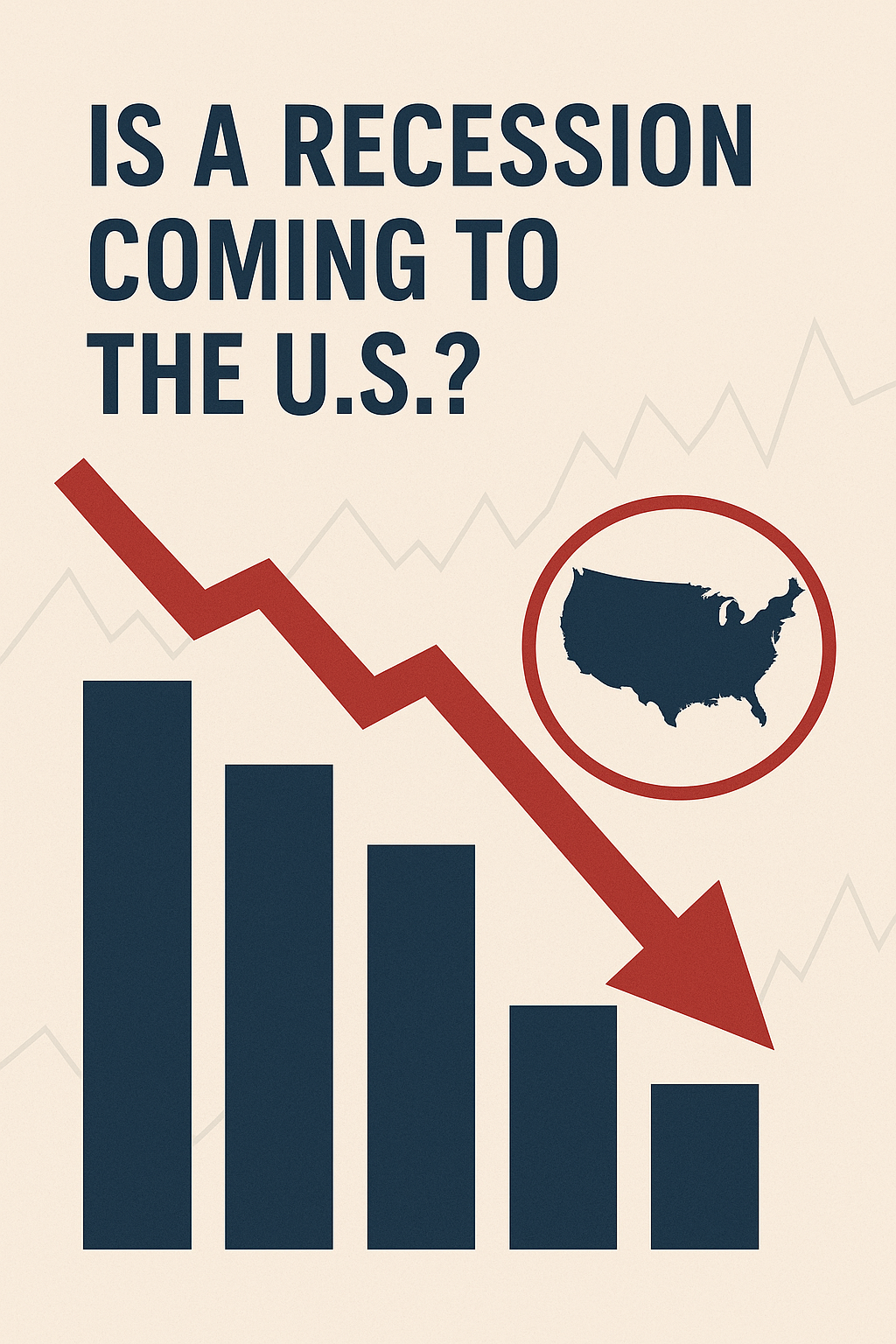
Recession fears continue to dominate headlines in 2025. With high interest rates, slower growth, and cautious consumers, many Americans are asking the same question: Is the U.S. heading toward a recession?
Here’s what economists and economic indicators suggest.
What Defines a Recession?
A recession generally involves:
Declining economic activity Rising unemployment Reduced consumer spending Slower business investment
It’s not just about GDP — labor markets and confidence matter too.
Current Economic Warning Signs
Several indicators are raising concerns:
High interest rates for an extended period Slower job growth Tighter credit conditions Reduced household savings
These factors often precede economic slowdowns.
Arguments Against an Imminent Recession
Despite the risks, some economists remain optimistic:
The labor market is still relatively strong Corporate earnings remain stable Consumer spending hasn’t collapsed Inflation is easing compared to previous years
This suggests resilience, even under pressure.
What the Federal Reserve Is Watching
The Fed closely monitors:
Inflation trends Employment data Consumer demand Financial market stability
Any shift in interest rate policy could significantly affect recession risks.
How a Recession Would Affect Consumers
If a recession occurs, Americans may face:
Job insecurity Reduced access to credit Lower investment returns Greater focus on savings and essentials
Preparation is key in uncertain times.
How to Prepare Financially
Smart steps include:
Building an emergency fund Reducing high-interest debt Avoiding risky financial moves Maintaining diversified investments
Financial stability matters more than prediction accuracy.
Final Thoughts
No one can predict recessions with certainty.
In 2025, the U.S. economy shows both strength and vulnerability — making preparedness the smartest strategy.
About The Author