For months, headlines have repeated the same message: inflation is slowing down.
Yet, for millions of Americans, daily life feels more expensive than ever.
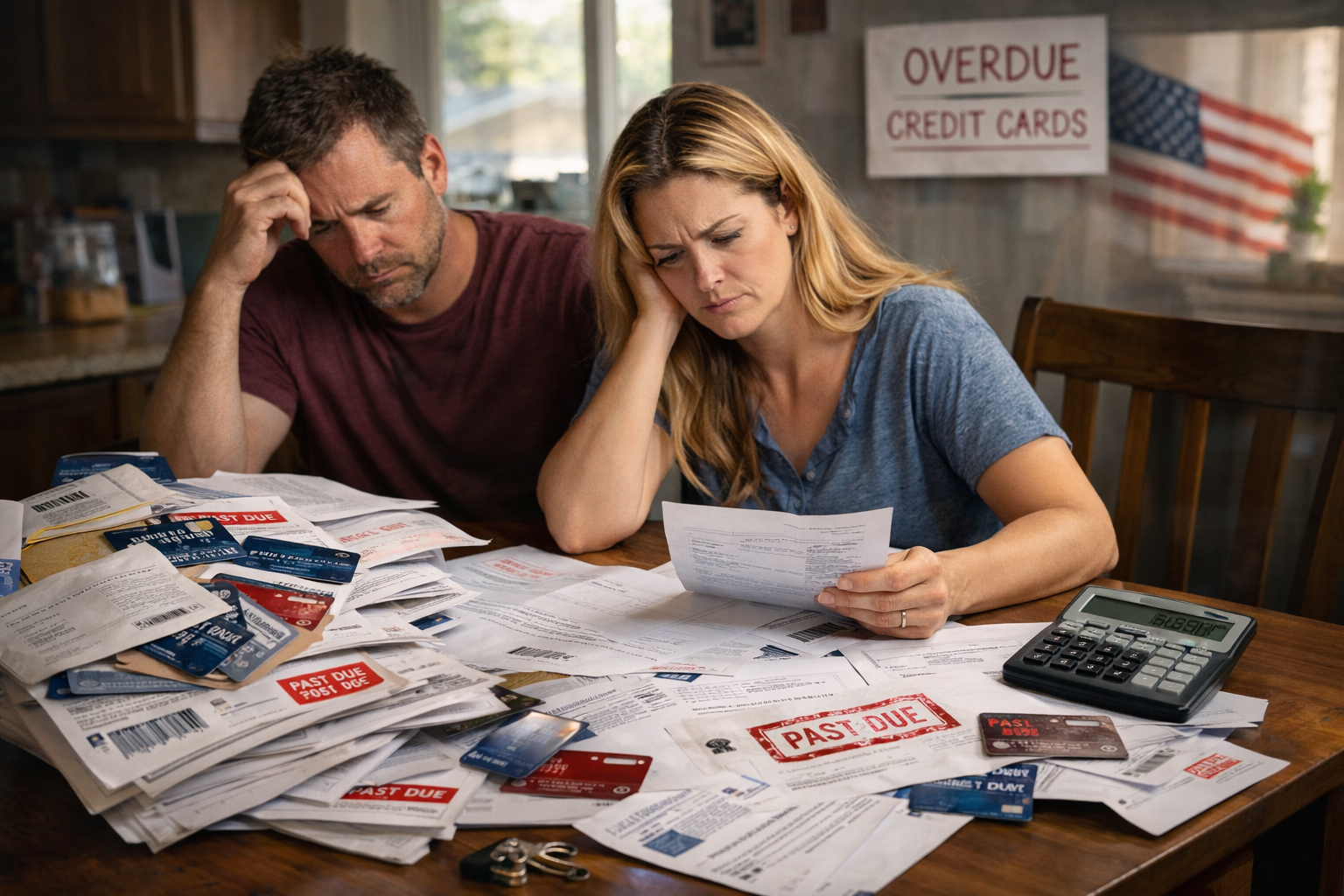
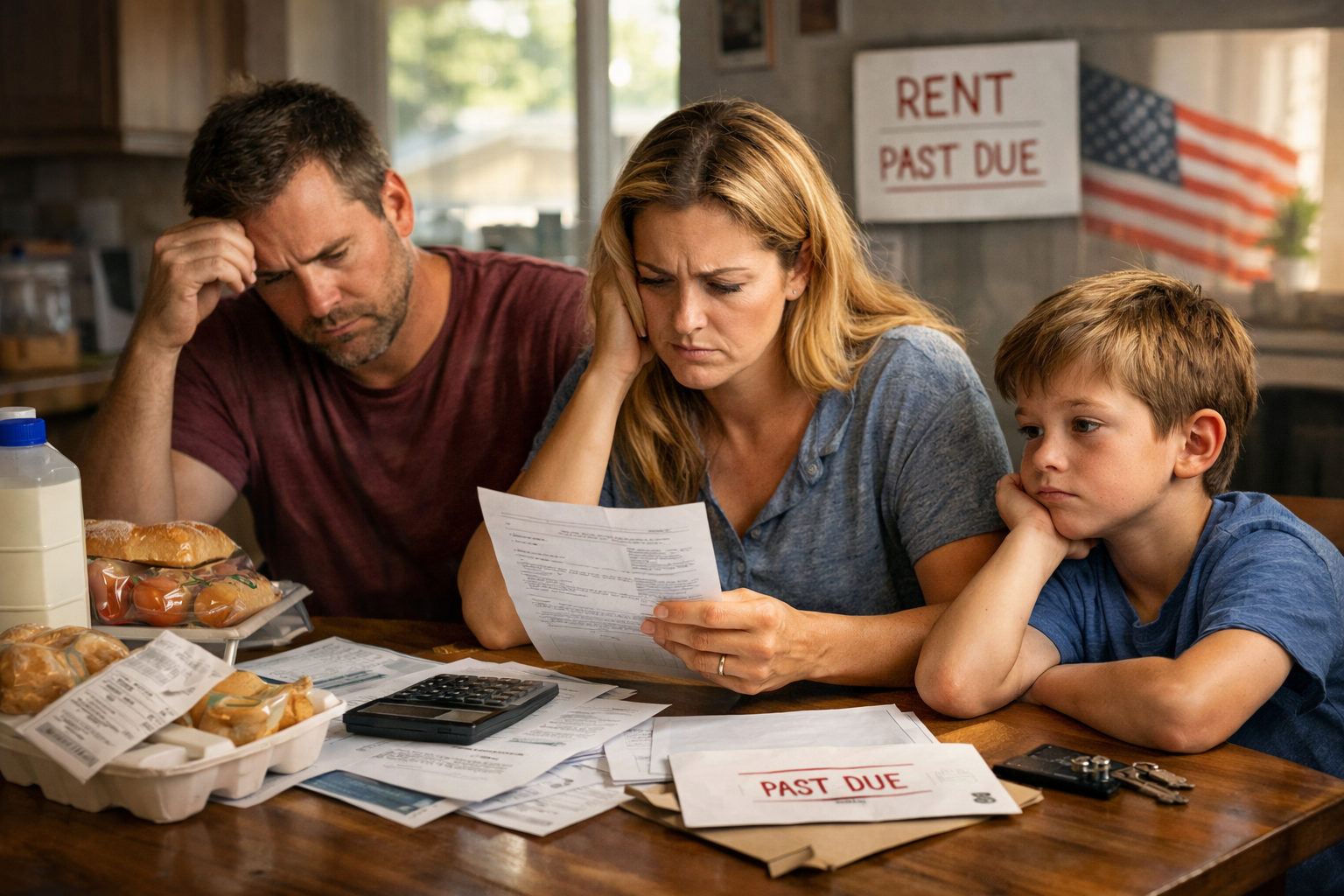
Rent is high. Groceries still hurt the budget. Credit card balances keep growing.
So the question is unavoidable:
If inflation is falling, why do Americans feel poorer?
The answer is more complex — and more uncomfortable — than official numbers suggest.
Inflation Is Falling, But Prices Are Still High
One of the biggest misconceptions is believing that falling inflation means prices are going down.
It doesn’t.
Inflation measures how fast prices rise — not whether they return to previous levels.
So even if inflation drops from 8% to 3%, prices are still increasing, just more slowly.
That means:
Rent that jumped 20% didn’t go back down Grocery bills never reset Insurance, utilities, and services stayed expensive
For households, the damage is already done.
Wages Are Not Keeping Up With Reality
While inflation cools, wage growth has failed to fully compensate for the past surge in costs.
Many workers technically earn more than they did a few years ago — but in real terms, their money buys less.
Key issues include:
Raises below real living cost increases Fewer bonuses and benefits Reduced purchasing power despite higher nominal salaries
The result is a silent squeeze on the middle and working class.
The Cost of Living Crisis Goes Beyond Inflation
Inflation numbers don’t fully capture what people actually pay.
Some of the fastest-growing expenses aren’t weighted heavily in inflation indexes:
Housing and rent Healthcare and insurance Education and childcare Debt interest payments
At the same time, interest rates remain high, making credit cards, auto loans, and mortgages more expensive.
For many families, debt has become a permanent pressure.
The Psychological Effect: Financial Insecurity
Feeling poorer isn’t just about numbers — it’s about stability.
When people:
Live paycheck to paycheck Fear unexpected expenses Rely on credit to survive
They feel financially fragile, even if the economy is “improving” on paper.
This gap between official data and lived experience fuels frustration, distrust, and anxiety.
Who Is Actually Benefiting From Lower Inflation?
Lower inflation doesn’t impact everyone equally.
Those who benefit most:
High-income earners Asset owners (stocks, real estate) Investors with inflation-protected portfolios
Meanwhile, renters, low-income workers, and debt-dependent households continue to struggle.
This imbalance deepens inequality — and explains why optimism remains low.
What Comes Next for American Households?
Even if inflation continues to slow, relief may take time.
Meaningful improvement depends on:
Real wage growth Lower housing costs Reduced debt burdens Stable job markets
Until then, many Americans will keep asking the same question:
How can the economy be getting better if life feels harder?
Final Thoughts
Falling inflation is not the same as financial recovery.
For millions of Americans, the cost-of-living shock hasn’t passed — it has simply settled into everyday life.
Understanding this gap is essential to understanding the real economy.
About The Author